Understanding Knee Pain and Your Non-Surgical Options
Knee pain is one of the most common reasons adults seek care, with causes ranging from osteoarthritis to overuse and soft-tissue strain. This guide explains common causes, when to see a provider, and how a candidacy-based evaluation clarifies which conservative, non-surgical options may fit your situation.

What commonly causes knee pain?
The most frequent culprits are osteoarthritis (gradual change in the joint’s cartilage and underlying bone), meniscus irritation or tears, tendon overuse (like patellar tendinopathy), ligament strain, and bursitis. Age, prior injury, body weight, and activity patterns all influence which of these is most likely. Because several of these can feel similar — aching, stiffness after sitting, swelling after activity — a structured evaluation matters more than self-diagnosis.
When should you see a provider about knee pain?
See a provider promptly if pain follows a distinct injury, if the knee locks, buckles, or can’t bear weight, or if swelling, warmth, or redness appears quickly. For pain that has built gradually, a good rule of thumb: if it has limited your normal activity for more than a few weeks despite rest and sensible self-care, it deserves a structured evaluation rather than another month of pushing through.
What conservative measures are well supported?
Activity modification, structured strengthening of the muscles that support the knee, weight management, and short-term use of over-the-counter measures under your clinician’s guidance all have solid evidence behind them. Many people improve meaningfully with these fundamentals alone. A conservative-first philosophy means these basics are respected — not skipped — before anything else is considered.
What does a Regenerate Wellness evaluation involve?
A licensed provider reviews your history, examines knee function and mobility, considers any imaging or records you bring, and talks through what you’ve already tried. The outcome is a candid candidacy conversation: whether a personalized, provider-led restorative protocol fits your situation — and a plain answer if it doesn’t. Nothing is recommended before that screening.
Specific knee pain questions, answered
Why Does My Knee Lock Up? Causes and What to Do
A knee that locks — catches, sticks, or refuses to straighten — usually points to something mechanical inside the joint: a meniscu…
Bone-on-Bone Knee Pain: What It Really Means for Your Options
“Bone on bone” describes advanced cartilage loss on an X-ray — but it is not an automatic verdict of surgery. Symptoms and functio…
Knee Pain Going Down Stairs: Why Descending Hurts More
Pain that is worse going down stairs than up usually points to the kneecap and the cartilage behind it — patellofemoral pain — or …
Knee Swelling After Activity: What Recurring Effusions Mean
A knee that swells after activity is telling you something inside the joint is irritated — commonly arthritis, a meniscus problem,…
Knee Pain: honest answers
Can knee pain improve without surgery?
Often, yes — many causes of knee pain respond to conservative, non-surgical care such as strengthening, activity modification, and clinician-guided plans. Whether a non-surgical path fits your specific situation is exactly what a provider-led evaluation and candidacy screening determine.
Do I need imaging before an evaluation?
No. Bring any imaging you already have, but an evaluation starts with your history and a functional exam. Your provider will tell you if imaging would genuinely change the recommendation.
What if I’m told I’m not a candidate?
Then you’ll hear that plainly, along with what a more appropriate next step looks like. Candidacy screening exists so you only pursue options that genuinely fit your situation.
Keep learning

How to Avoid Knee Replacement: What the Evidence Actually Supports
Delaying or avoiding knee replacement is realistic for many people — but not through shortcuts. The evidence-backed path…
Read article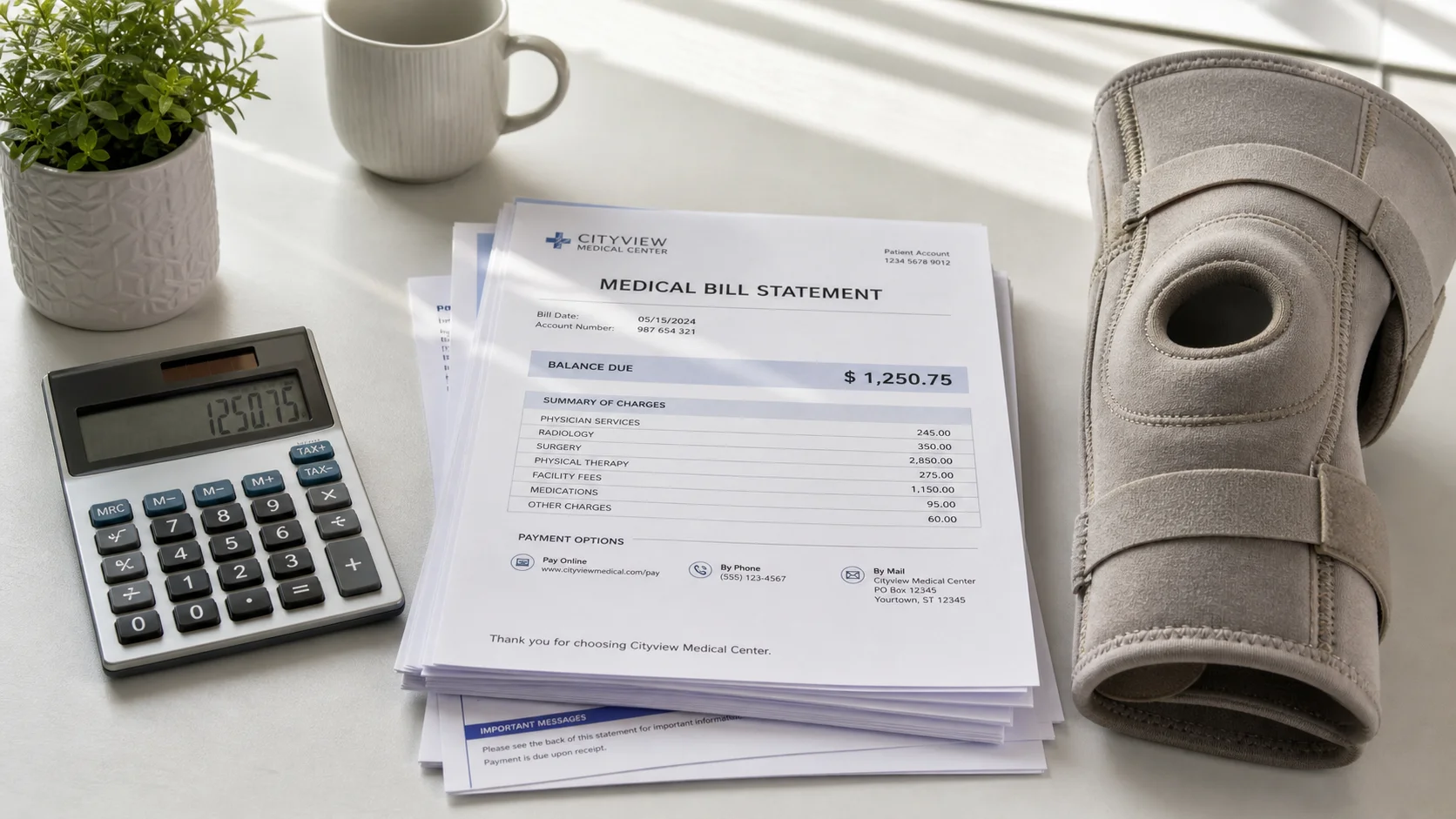
How Much Does Knee Replacement Cost? The Numbers Nobody Puts on One Page
Knee replacement costs in the U.S. explained honestly: commonly cited ranges, what insurance typically covers, the out-o…
Read article
Knee Pain After Sitting: Why Getting Up Hurts and What It Means
Stiff, achy knees when you stand up after sitting — the 'moviegoer's sign' — usually points to the kneecap or early arth…
Read articleWondering about your options?
A provider-led evaluation is the honest way to find out which conservative, non-surgical options may fit your situation — and whether you’re a candidate at all.